
The Liturgy of the Word - Part 6
Part six of a series I'm writing for inclusion in the weekly Parish Bulletin for the Catholic Parishes of Dungog & Gresford

This eight-part series was originally published on the original The Doohan Discourse across May and June 2023.
The Gospel having been proclaimed, the next thing to occur during the Liturgy of the Word is the Homily.
The GIRM has this to say about the particular significance of the Homily:
The Homily is part of the Liturgy and is highly recommended, for it is necessary for the nurturing of the Christian life. It should be an explanation of some aspect of the readings from Sacred Scripture or of another text from the Ordinary or the Proper of the Mass of the day and should take into account both the mystery being celebrated and the particular needs of the listeners. (n.65)
There’s plenty of scope, therefore, from which the preacher can draw inspiration for their homily, but it’s important to also note what is not included: the homily must draw from texts used during the Mass, which essentially rules out the older notion of the “sermon” based on dogmatic or thematic sources. Such a practice must now be seen as contrary to the GIRM regardless of how often some people demand it.
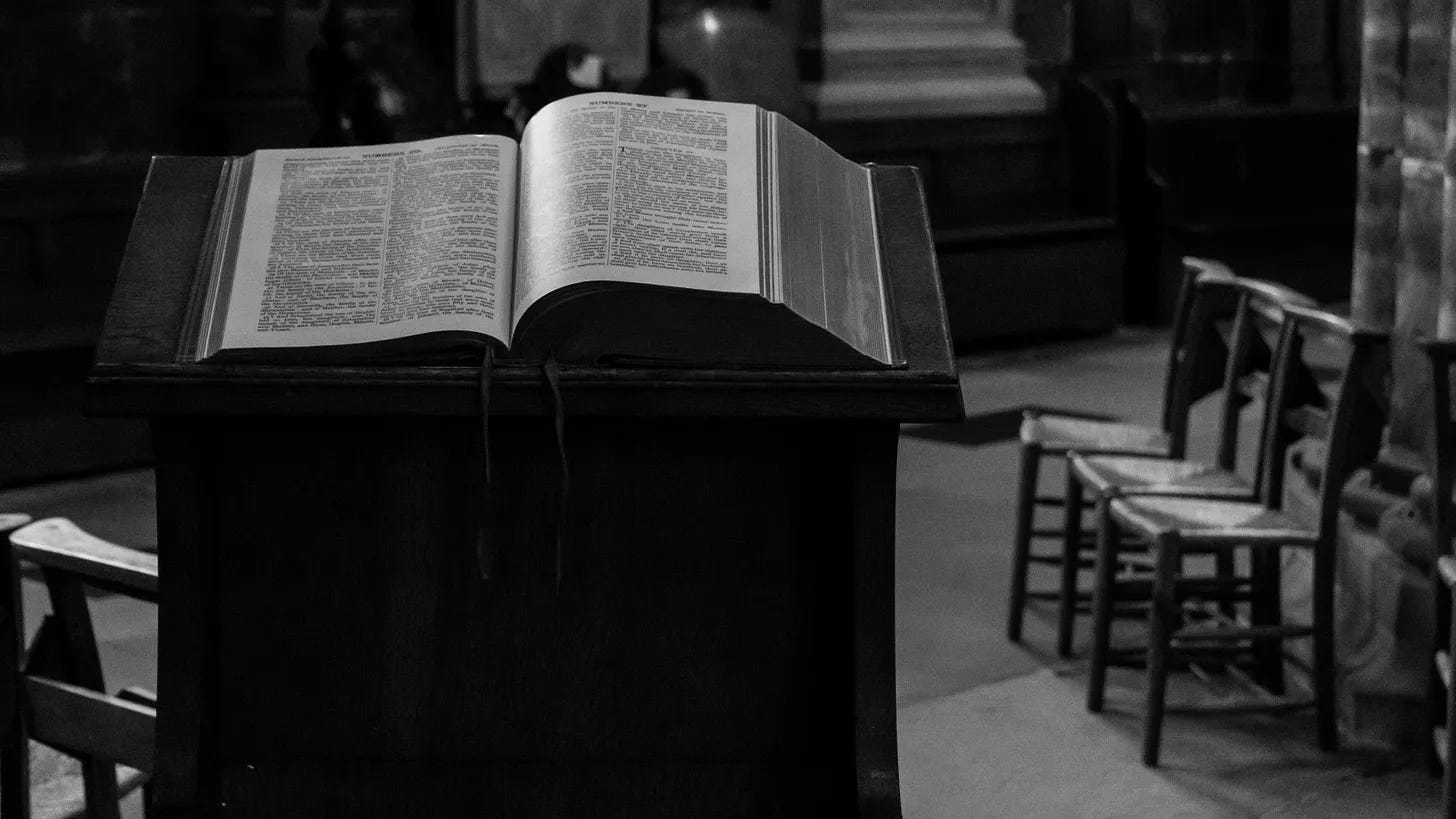
The giving of the Homily properly belongs to the Presider of the Mass, although there is the possibility of another priest or a deacon doing so on occasion and by invitation of the Presider. The nature of the Homily is presidential, not ministerial (see the comments about this distinction from last week’s column).
The Homily should be given from “the chair or at the ambo itself or, if appropriate, in another worthy place” (GIRM, n.136). Like any time when a list is given like this in the GIRM, it is also to be read in terms of preference: the place for the Homily is clearly outlined.
At the conclusion of the Homily, it is appropriate for a period of silence to be observed (GIRM, n.56, 136), again to allow the opportunity for reflection on what has been said under the inspiration of the Holy Spirit.
At the conclusion of this period of silence, the Assembly moves onto the proclamation or profession of the Creed (also referred to as the Symbol or Profession of Faith), of which there are two versions, the Niceno-Constantinopolitan or the Apostles’, either of which can be used when the Creed is required (as it is on Sundays, Solemnities and other particular celebrations of a more solemn nature).
The Order of Mass expresses a firm preference for the Niceno-Constantinopolitan Creed as the default version, except during Lent and Easter when the Apostles’ Creed is preferred.
During the Creed—whichever one is professed—there is a moment when the Assembly bows in honour of the Incarnation. On the Solemnity of the Annunciation and at Christmas, we genuflect rather than bow because of the significance of those particular feast days.
It should also be noted that occasionally, the Creed is not professed when it ordinarily would be. On those occasions when one of the sacramental rites is joined to Mass, the sacramental action takes the place of the Creed, our celebration of the sacramental life of the Church being itself a proclamation of faith.
And with the Creed professed, there is only one part of the Liturgy of the Word remaining—but we’ll talk about that in Part 7!