
The Introductory Rites - Part 6
Part six of a series I'm writing for inclusion in the weekly Parish Bulletin of St Francis of Assisi Parish, Dungog Gresford

At the end of Part 5, the Presider had finally reached the chair, and we were about to look at what happens next.
The answer to that question is rather simple:
“When the Entrance Chant is concluded, the [Presider] stands at the chair and, together with the whole gathering, signs himself with the Sign of the Cross. Then by means of the Greeting he signifies the presence of the Lord to the assembled community. By this greeting and the people’s response, the mystery of the Church gathered together is made manifest.” (GIRM, n.50)
This description of what initially appears to be a very simple action might surprise many people yet like so many simple ritual actions the significance is always worth considering.
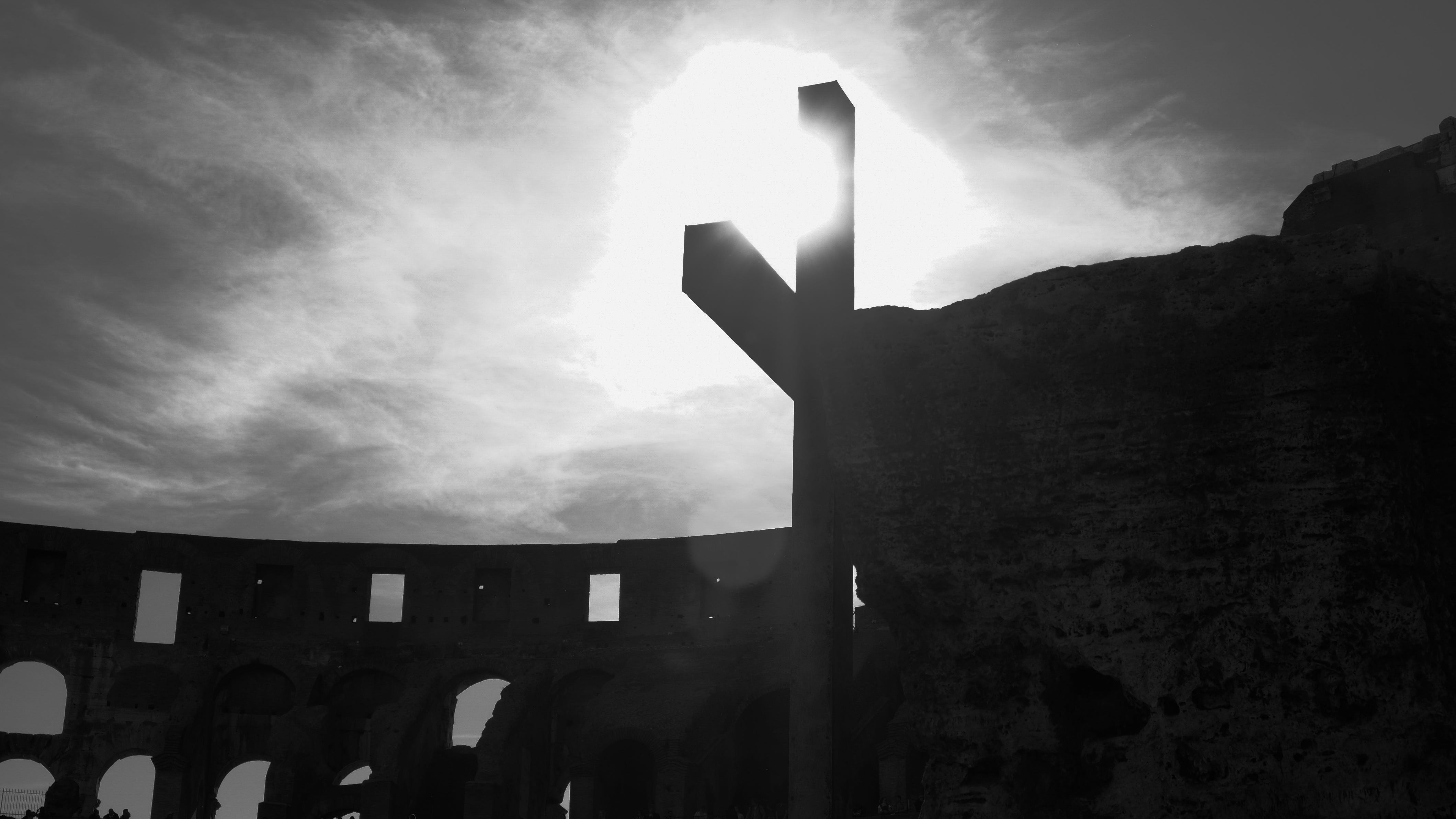
The ‘simple’ action of signing oneself with the Sign of the Cross represents a profound surrender. The first time most people are signed with the Cross is at their baptism, during the opening questions with their parents, when the priest or deacon says:
“…the Church of God welcomes you with great joy. In its name I claim you for Christ our Saviour by the sign of his cross.” (Rite of Baptism of Children, n.79)
The Sign of the Cross made on our bodies is a reminder that we have been claimed by Christ, that we have been saved by Christ’s Death and Resurrection, and that we are, accordingly, always the disciples of Jesus Christ.
And at the beginning of just about every liturgical celebration (there are a few rare exceptions) we physically remind ourselves of this reality when, along with everyone else who has gathered, we sign ourselves with the Sign of the Cross.
A simple action, yes; but one that carries a lot of meaning and significance. In light of that, perhaps we should be careful about how we sign ourselves, being bigger and bolder rather than smaller and more discreet. It’s worth pondering.
After the Sign of the Cross comes the Greeting. This is not saying ‘hello’, ‘good morning’ or the like, but a liturgical greeting, one that “signifies the presence of the Lord…the mystery of the Church gathered is made manifest” (GIRM, n.50). The words that the Presider offers are accompanied by a ritual action, with the Presider opening and closing his hands.
There are three possible options that a Presider can choose from, although there is something likeable about the simple “The Lord be with you.” As an aside, when a Bishop presides, he only has one option available to him: “Peace be with you.” These words echo the words that Jesus spoke when appearing to his disciples immediately after the Resurrection. Such a greeting offered by a bishop reflects the particular role that they play in the life of the Church and its liturgy.
Regardless of the words of the Presider, the words used in response are the same: “And with your spirit.” This response is one of those sets of words in the liturgy that should never be said by the Presider but only by the remainder of the Assembly in response to the Presider’s words of greeting.
Although this interplay between Assembly and Presider does not begin the celebration of Mass, it is still a significant ritual element in the opening elements of Mass and almost any other liturgical occasion.
And after this exchange of liturgical greetings, “the [Presider], or the Deacon, or a lay minister may very briefly introduce the faithful to the Mass of the day” (GIRM, n.50).
This can be as simple as announcing which Sunday it happens to be, e.g., 30th Sunday in Ordinary Time, or 1st Sunday of Advent, etc., or it may be slightly more extensive if there happens to be a baptism during the Mass or the children of the parish are celebrating First Communion, etc.
The operative word in this short excerpt from the GIRM is the word ‘brief’. These introductory remarks are not meant to be long or drawn out. They are spoken by way of setting the scene if you will and highlighting the particularities of the celebration being embarked upon.
It is also interesting to note that such words do not have to come from the Presider. In some cases, it may be more appropriate that the Presider does not offer them, even though this tends to be the usual practice. Properly crafted, these words can be a wonderful of transitioning into the next act of the Introductory Rites, i.e., the Penitential Act.
But further discussion of that can wait until Part 7.
To be continued…